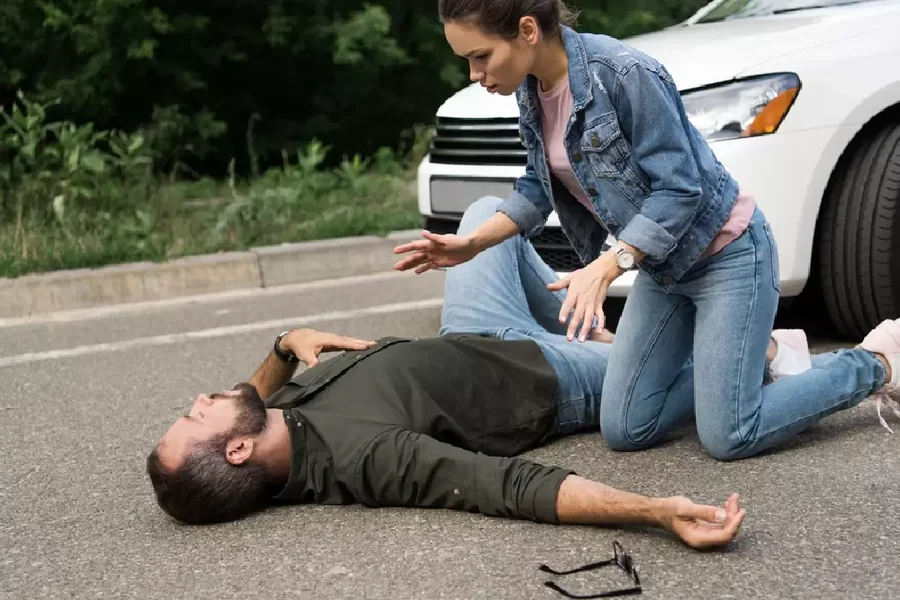
You’re driving through a quiet neighborhood or maybe downtown during rush hour when someone suddenly steps into the road where there’s no crosswalk. You hit the brakes too late, and everything changes in a second. Most people assume that if a pedestrian jaywalks, they’re automatically to blame. But the truth isn’t always that simple, especially when it comes to Indiana traffic laws and real-life gray areas.
Fault in these cases often depends on details that aren’t immediately obvious. Speed, visibility, distractions, and even local signage can change how responsibility is viewed. Many people injured in these situations seek help from Vaughan & Vaughan accident attorneys to understand how Indiana law treats both drivers and pedestrians. Knowing where the fault may truly lie can prevent rushed judgments and protect your rights after an accident.
Why Jaywalking Doesn’t Automatically Mean Guilt
In Indiana, jaywalking is considered an infraction, but it doesn’t automatically erase a driver’s duty to watch for pedestrians. Drivers are still required to slow down when people are visibly crossing, even if it’s outside a designated crosswalk. Just because someone broke a rule doesn’t give others the right to ignore safety. Courts often look at the entire situation, not just who broke the first law.
The law recognizes that pedestrians are vulnerable, especially in areas where walkways are poorly marked or signals are inconsistent. Drivers have a responsibility to stay alert and adjust their behavior when conditions make collisions more likely. A person darting across the street isn’t automatically to blame if the driver was speeding, distracted, or failed to yield. Shared responsibility is more common than people think.
When Drivers Ignore Obvious Danger Signs
Some drivers spot pedestrians and make no effort to slow down, assuming the person will stop or move out of the way. That gamble can lead to devastating consequences. In many jaywalking incidents, it’s found that the driver had enough time to react but didn’t. Speeding, texting, or simply being inattentive often contributes to the outcome.
Dashcam footage, witness statements, and street camera data can paint a different picture than what was first assumed. If the driver had time to brake or change lanes but chose not to, courts may place the majority of fault on them. Drivers must adjust to their surroundings, even if the pedestrian shouldn’t have been there. Responsibility often lies in what someone failed to do, not just what the other person did.
The Role of Lighting, Weather, and Visibility
Accidents involving pedestrians often happen during dawn, dusk, or at night when visibility is low. But poor lighting doesn’t excuse a driver from responsibility. If a person in dark clothing crosses mid-block and the driver wasn’t speeding or distracted, the fault may lean toward the pedestrian. However theeditorialge, if the headlights were off, or the area is known for foot traffic, fault could shift back to the driver.
Rain, fog, and glare from the setting sun can also affect how clearly a driver sees the road ahead. But those same conditions require slower speeds and heightened attention. Courts take into account whether a driver adjusted to the weather or ignored its impact. Visibility is never an excuse for negligence—it’s a reason to be more cautious.
What Happens When Both Parties Share the Blame
Indiana uses a comparative fault system, which means both the driver and the pedestrian can share responsibility for an accident. If the pedestrian is found to be more than 50% at fault, they may not be eligible for compensation. But if the driver holds a larger share of the blame, the pedestrian can still recover damages, though the amount is reduced based on their percentage of fault. This makes evidence and case framing incredibly important.
Understanding how these percentages are assigned often takes legal insight. A careless step into traffic can look worse than it is, while subtle driver errors may go unnoticed. That’s why both sides need to gather as much context as possible. One small detail can shift the balance of fault significantly.
How Urban Design Shapes Jaywalking Behavior
Some parts of Indianapolis lack clearly marked crosswalks or have long stretches without safe pedestrian zones. In these areas, people may cross where it feels natural or convenient, even if it’s technically illegal. When city planning doesn’t prioritize walkability, pedestrians are often forced into riskier behaviors. And those choices are still shaped by their environment.
While jaywalking isn’t encouraged, poor urban design makes it more common—and more dangerous. Cities share part of the responsibility when their layouts leave people guessing about where it’s safe to cross. Legal teams sometimes use this argument to support pedestrians in difficult cases. Accountability doesn’t stop with the person on foot or behind the wheel.
How Distractions Impact Fault on Both Sides
Distraction isn’t just a driver problem. Pedestrians looking at their phones, wearing headphones, or rushing across traffic are putting themselves in danger. But distracted drivers are still held to a higher standard, especially in areas where foot traffic is expected. If both parties were distracted, it often became a matter of who had more control and more opportunity to avoid the crash.
Distraction is hard to measure without tech data or honest admissions, but it plays a role in many modern accidents. Texting, navigation apps, and phone calls all reduce a driver’s ability to spot hazards. Pedestrians may not hear approaching cars or notice oncoming traffic if they’re focused on a screen. The balance of awareness matters in assigning fault.
The Power of Witnesses and Camera Footage
In pedestrian-related accidents, witnesses can often clarify what really happened. Bystanders may have seen the pedestrian run into traffic, or they may have noticed the driver looking down at their phone. Security or traffic cameras are also becoming more common and can back up or challenge both sides of the story. Visual proof carries significant weight when accounts don’t align.
Getting this kind of evidence quickly is critical. Footage may be deleted or recorded over within days. Witnesses might forget key details or disappear without follow-up. The faster you act, the clearer the truth becomes.
Why Legal Advice Should Come Early
Fault in jaywalking incidents isn’t always obvious, and assuming anything too soon can hurt your case. Insurance companies may push a narrative that favors the driver or minimizes the pedestrian’s injuries. Without legal help, it’s easy to get overwhelmed or settle for less than what’s fair. That’s why it’s smart to speak with someone early, before paperwork piles up or facts get twisted.
An experienced legal team helps organize your side of the story, gather evidence, and anticipate counterarguments. They know how to present your case clearly and challenge assumptions that aren’t based on fact. With the right support, you can avoid common mistakes and focus on recovery. Whether you’re on foot or behind the wheel, knowing your rights makes a big difference.