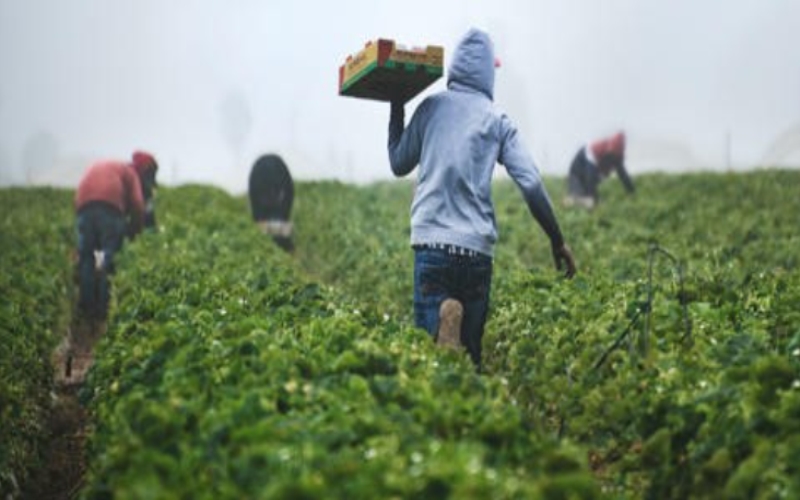
Iowa, known as the “Heartland of America,” boasts a thriving agricultural sector. The state and federal governments offer grants and funding programs for farmers, ranchers, and agricultural businesses to support this vital industry. These grants provide crucial financial assistance for research, innovation, conservation, and rural development, ensuring continued success and sustainability.
Suppose you’re a farmer, agribusiness owner, or part of a rural community looking for financial assistance. In that case, this guide will walk you through the top grant opportunities in Iowa, eligibility requirements, and application processes.
What Is Agriculture and Farming Grants
Grants are non-repayable funds that government agencies, non-profits, and private organizations provide. Unlike loans, they don’t require repayment, making them an attractive funding source for farmers and rural entrepreneurs.
Agricultural grants in Iowa typically fall into these categories:
- Farm Innovation Grants – Support for implementing new agricultural technologies.
- Sustainability and Conservation Grants – Funding for soil conservation, water management, and eco-friendly farming practices.
- Livestock and Crop Grants – Assistance for expanding or improving livestock and crop production.
- Beginning Farmer Grants – Special programs aimed at new farmers to help them establish a sustainable business.
- Rural Development Grants – Infrastructure support for farm-to-market roads, processing facilities, and other community projects.
Visit Iowa Grants for a comprehensive list of Government grants in Iowa 2025/2026, including eligibility requirements, application deadlines, and funding opportunities for farmers, agribusinesses, and rural communities. This link offers important resources to help you secure the financial support needed to drive innovation, sustainability, and growth in Iowa’s agricultural sector.
Top Agriculture and Farming Grants in Iowa
Here are some key government agencies and organizations offering grants:
- Iowa Value-Added Agriculture Grant Program
This grant helps farmers and agribusinesses enhance the value of raw agricultural products by funding equipment purchases, marketing initiatives, and feasibility studies.
- Eligibility: Iowa farmers, co-ops, and agribusinesses.
- Grant Amount: Varies based on project scope.
- Application Process: Submit a proposal detailing the value-added product and its market impact.
- USDA Rural Development Grants
The U.S. Department of Agriculture (USDA) offers multiple funding programs for farmers and rural businesses, including:
- Rural Business Development Grants – Supports business growth and expansion in rural areas.
- Renewable Energy for America Program (REAP) – Funds renewable energy systems and energy-efficient improvements.
- Farm Labor Housing Grants – Provides housing support for farm workers.
- Eligibility: Varies by program.
- Grant Amount: Up to $500,000 for certain programs.
- Application Process: Apply through USDA’s Iowa office.
- Sustainable Agriculture Research and Education (SARE) Grants
SARE offers funding for sustainable farming practices, including soil health improvement, water conservation, and organic farming.
- Eligibility: Farmers, educators, and researchers.
- Grant Amount: Up to $75,000 for on-farm research projects.
- Application Process: Submit a detailed research proposal.
- Beginning Farmer Tax Credit and Loan Program
This program assists new farmers by offering tax credits and access to low-interest loans.
- Eligibility: First-time farmers in Iowa.
- Benefits: Tax credits up to 15% and reduced-interest loan options.
- Application Process: Apply through the Iowa Finance Authority.
Types of Agricultural Grants Available in Iowa
Here’s a section detailing the Types of Agricultural Grants Available in Iowa:
- Conservation Reserve Program (CRP): This flagship program incentivizes farmers to convert environmentally sensitive land into conservation cover, such as native grasses or trees. This improves soil health and water quality and provides crucial habitat for wildlife.
- Environmental Quality Incentives Program (EQIP): EQIP offers financial & technical help to farmers and ranchers to implement a wide range of conservation practices. These can include:
- Installing cover crops to improve soil health and reduce erosion.
- Implementing nutrient management plans to minimize nutrient runoff.
- Establishing riparian buffers to protect water quality.
- Improving irrigation efficiency to conserve water resources.
- Implementing grazing management systems to improve pasture health.
- Conservation Stewardship Program (CSP): This program rewards farmers already implementing conservation practices and encourages them to adopt more advanced and sustainable agricultural systems. It provides financial assistance to help farmers enhance their conservation efforts and explore new, innovative approaches.
- Agriculture and Food Research Initiative (AFRI): This competitive grant program, funded by the USDA, supports cutting-edge research and education in various agricultural areas. This includes:
- Developing new crop varieties with improved yield, disease resistance, and nutritional value.
- Advancing precision agriculture technologies, such as remote sensing and data analytics.
- Investigating sustainable food systems and addressing food security challenges.
- Improving animal health and welfare.
- Biotechnology Risk Assessment Grants: These grants support research to assess agricultural biotechnology’s safety and environmental impacts, such as genetically modified organisms (GMOs). This research helps ensure the safe and responsible development and use of these technologies of these technologies.
- Rural Business Development Grants: These grants provide financial assistance to rural businesses, including agricultural enterprises, to help them grow and succeed. This can include funding for:
- Business planning and development.
- Marketing and outreach programs.
- Job creation and training.
- Improving infrastructure and facilities.
- Community Development Block Grants (CDBG): These grants can be used to support a wide range of community development projects in rural areas, including:
- Infrastructure improvements (roads, water, sewer)
- Housing rehabilitation
- Economic development initiatives
- Support for essential community services
- Value-Added Producer Grants (VAPG): These grants support projects that add value to agricultural products, such as:
- Processing and manufacturing: turning raw agricultural products into finished goods (e.g., cheese, wine, processed meats)
- Marketing and distribution: developing new markets and channels for selling agricultural products
- Developing and implementing innovative marketing strategies
Finding and Applying for Grants
Here’s how to find and apply for grants:
- Research and Identify Potential Funding Sources: Conduct proper research to identify potential funding sources that connect with your specific needs and goals.
- Review Grant Guidelines Carefully: Review each grant program’s eligibility criteria, application requirements, and deadlines.
- Develop a Strong Grant Proposal: Prepare a well-written and compelling grant proposal that clearly outlines your project goals, objectives, budget, and anticipated outcomes.
- Seek Assistance: If needed, seek assistance from experienced grant writers or agricultural consultants to help you develop a strong grant application.
- Build Relationships with Funding Organizations: To increase your chances of success, attend workshops, network with other farmers, and build relationships with representatives from funding agencies.
Tips for Increasing Your Chances of Grant Success
Look for the tips to increase your chances of grant success:
- Demonstrate a Clear Need: Clearly articulate the need for funding and how the grant will address a specific problem or opportunity.
- Develop a Realistic Budget: Create a realistic budget outlining all project costs.
- Focus on Sustainability: Demonstrate how the project will be sustainable in the long term and how it will benefit the community.
- Build Strong Partnerships: Collaborate with other organizations and stakeholders to increase the impact of your project and strengthen your grant application.
- Follow Application Instructions Carefully: Pay careful attention to all instructions and deadlines for your application to be complete and filed on time.
Conclusion
Agricultural grants play a vital role in supporting Iowa’s agricultural sector and ensuring the continued success of rural communities. Farmers, ranchers, and agricultural businesses can invest in innovation, improve sustainability, & enhance their competitiveness in the global marketplace by taking advantage of these funding opportunities.