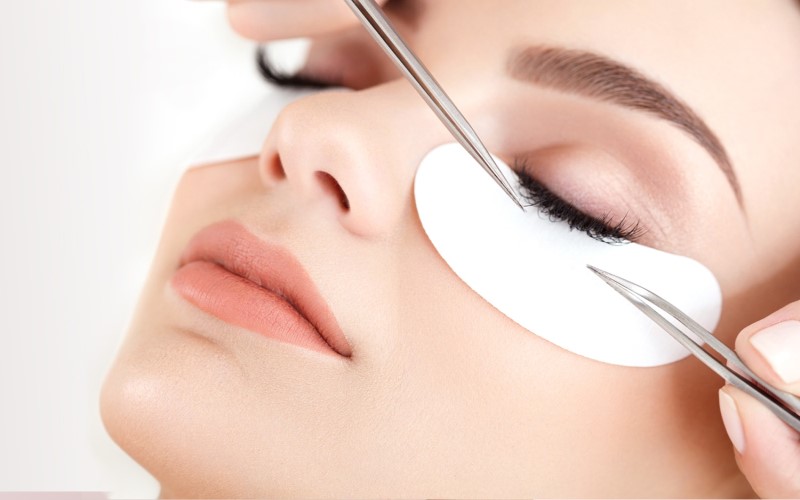
1. The Rise (and Risk) of Lash Extensions
Lash extensions have become the go-to shortcut to looking alive — even when you’re running on fumes and coffee. But as demand has grown, so has the number of salons offering them. From luxury clinics to back-room beauty beds, the lash scene is now a mix of the brilliant, the average, and the downright dodgy.
According to BABTAC (British Association of Beauty Therapy & Cosmetology), all lash technicians should be professionally trained and insured. Yet, thousands of underqualified practitioners operate across the UK — with little to no formal certification.
It’s not just about whether your lashes look full. It’s about your eyes, your skin, and your health. A poorly placed lash isn’t just annoying — it can be damaging.
2. What Makes a Lash Technician ‘Qualified’?
Let’s be honest — a certificate downloaded from the internet after watching a YouTube tutorial doesn’t count. A genuinely qualified technician should have:
- Accredited training from a recognised body (e.g. BABTAC, VTCT, ABT)
- Hands-on practical training (not just online theory)
- Knowledge of eye anatomy, hygiene, and contraindications
- Public liability insurance
- Experience with different eye shapes and lash styles
- A strong track record (read: actual clients, not just cousins and neighbours)
It’s part science, part art — and definitely not something to wing with a glue stick and a prayer.
3. The Hidden Dangers of Poor Technique
- Eye infections: Bacteria breeds faster than gossip in a school staff room.
- Lash damage: Overloading lashes can cause them to break or fall out permanently.
- Chemical burns: Yes, this actually happens — when adhesives are used improperly or applied too close to the eye.
- Allergic reactions: A trained tech performs patch tests. A rogue one rolls the dice.
- Uneven results: The dreaded spider-leg effect. Enough said.
4. Trained vs Self-Taught: Why It Matters
A skilled technician doesn’t just apply lashes — they assess your lash health, consider your eye shape, and tailor the treatment accordingly. It’s the difference between bespoke tailoring and a dodgy one-size-fits-all dress off the high street.
At Designer Lashes of London, clients receive meticulous, fully tailored lash applications from experienced, highly trained professionals. If you’re after something safe, natural-looking, and actually flattering, this is where the smart money goes.
And to find out more: https://www.designerlashes.co.uk/
5. Comparison Table: Qualified Technician vs Quick Fix
| Feature | Trained Technician | Unqualified Provider |
| Accredited Training | Yes | Often none or uncertified |
| Patch Testing & Consultation | Always | Rarely, if ever |
| Hygiene Standards | High (gloves, disinfectants) | Questionable at best |
| Lash Customisation | Tailored to eye/lash type | One-size-fits-all approach |
| Product Knowledge | Extensive | Limited or brand-unaware |
| Aftercare Advice | Thorough and personalised | Often skipped or vague |
| Risk of Complications | Low | Significantly higher |
6. How to Spot a Quality Lash Salon
Look for these green flags:
- Transparent info about training and certification
- Clean, professional treatment space
- Clear patch testing protocols
- Use of reputable, UK-compliant products
- Real before-and-after photos — not stock images from Google
- Solid client reviews (with photos, ideally)
- A technician who explains, listens, and never rushes
If they treat your consultation like a quick transaction — run for the hills (or at least to a reputable salon).
7. FAQs: Technician Training, Explained
Q: Is lash training legally required in the UK?
A: It’s not yet mandatory across the board, but reputable salons insist on it — and insurers often require proof of training and patch testing.
Q: How can I tell if my technician is properly trained?
A: Ask! A professional won’t hesitate to show certification, insurance, and a treatment plan.
Q: Why is training important if the lashes “look fine”?
A: Appearance isn’t everything. Hygiene, lash health, and long-term safety matter far more — especially near your eyes.
Q: Can bad lashes really cause long-term damage?
A: Yes. From traction alopecia to chemical burns, poor technique can have serious consequences.
8. Final Thoughts: Trust the Pros (Not Just the Price)
We all love a bargain — but when it comes to lash extensions, cheap work often comes at a very real cost. A trained technician isn’t just gluing on lashes; they’re safeguarding your eye health, preserving your natural lashes, and enhancing your features with finesse.
So, before you book that ‘£30 full set, no experience needed’, ask yourself: Would you trust a dentist who learned on TikTok? Thought not.
Play it smart. Play it safe. And if you’re after luxury lash artistry done right, you know where to look.