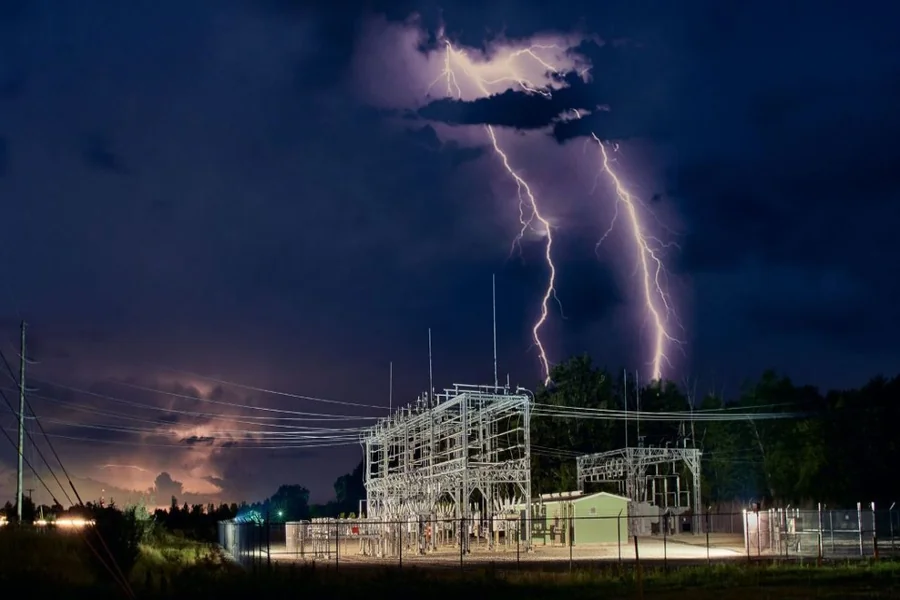
Summer storms have the ability to swiftly turn a peaceful day into a hazardous one. Strong winds, flash flooding, lightning, and heavy rain all pose major threats to American families. Understanding what to do in advance of a storm will help everyone stay safe and less stressed. Additionally, it allows you ample time to safeguard your house, pets, and valuables. You can determine whether a storm is predicted and how severe it could get by looking up weather data from reliable sites. You may make better choices before inclement weather strikes by adopting this easy practice. It is always simpler to prepare ahead of time than to respond in an emergency. When circumstances unexpectedly turn risky, a few doable actions can make a significant impact. You can safeguard the people who are most important to you while facing summer storms with more assurance and peace of mind if you prepare ahead of time.
Find below five ways to prepare for a summer thunderstorm.
Build an emergency supply kit
An emergency kit should be prepared in every home before hurricane season. Make sure you have enough water to drink for at least three days. Food that doesn’t need to be cooked should be kept fresh. Add a flashlight, additional batteries, a first aid kit, and any medications that are required. Include a portable power bank and phone chargers. If necessary, don’t forget to bring supplies for kids, senior citizens, and animals.
Keep everything in one convenient location. Every few months, check the merchandise and swap out any expired things. Having these things on hand may greatly ease a tense situation.
Stay updated with reliable alerts
In the summer, the weather may change rapidly. Use NOAA weather radios, local TV stations, and reliable weather applications to stay informed. Activate your smartphone’s emergency alerts feature to get notifications as soon as they are sent out.
Keep an eye out for warnings and watches. When circumstances are favorable for storms, a watch is issued. A warning indicates that hazardous weather is either now occurring or is anticipated to occur shortly. You have more time to get to safety if you take action early.
Protect your home and outdoor items
Loose things can become hazardous flying debris in strong winds. Before the storm hits, move garden equipment, barbecues, patio furniture, and garbage cans inside. Cut off any unstable tree branches that can fall on your house or electrical lines.
All doors and windows should be locked. If strong storms frequently occur in your location, you might want to think about adding storm shutters or strengthening garage doors. To allow rainfall to flow away from your house, keep your gutters clean. These minor actions enhance safety and lessen property damage.
Have a family safety plan
Every household member must to be aware of what to do in the event of extreme weather. Choose the room that is the safest in your house. The best option is typically an inside room on the lowest floor, away from windows.
Every member of your household should practice your emergency plan. Make sure kids know what to do and where to go in the event of a power outage. In the event that family members are separated, choose a contact person from out of town. In the event that mobile phones malfunction, write down emergency phone numbers.
Take care of your health during the storm
Storms can have an impact on emotional and physical well-being. Avoid using electrical equipment and stay indoors when there is lightning. Because plumbing may carry electricity, avoid taking baths or showers during lightning strikes.
Drink plenty of water, particularly in hot and muggy conditions. To help preserve food in the event of a power outage, keep the freezer and refrigerator doors closed. After extended power outages, discard any food that could have turned dangerous.
Severe weather frequently causes stress and worry. Keep your composure by according to your emergency plan. Use games, reading, or peaceful activities to keep them busy. Until the storm passes, everyone feels safer when they console one another.
To conclude
You can safeguard your family, house, and health by being ready before a summer thunderstorm. Prepare emergency supplies, adhere to reliable weather reports, protect your property, make a family plan, and concentrate on keeping safe throughout the storm. These easy actions can lower hazards and give you more confidence while dealing with extreme weather.