Keeping your home comfortable during hot weather does not have to mean constantly increasing your energy use. An energy-efficient air conditioning system can help maintain a comfortable indoor temperature while using electricity more effectively. However, the AC unit itself is only one part of the equation. There are many contributing factors that can all affect how efficiently the system operates. Choosing the right equipment and preparing your home properly can make a noticeable difference in cooling performance. Here are some important factors to consider when working toward a more energy-efficient AC system.
Choose the Right AC Size for Your Home
An appropriately sized AC system is an important starting point for efficient cooling. A unit that is too small may run for extended periods while struggling to reach the desired temperature. On the other hand, an oversized system can cycle on and off too frequently, increasing energy use and making indoor temperatures less consistent. The cooling capacity your home needs is influenced by its overall layout and the climate in your area.
A professional assessment can account for these conditions and help determine an appropriate system size. When the equipment is properly matched to the home, it can maintain a comfortable temperature without unnecessary strain. Proper sizing also supports more consistent operation and can help the system use energy more effectively throughout the day.
Improve Your Home’s Insulation
Good insulation helps keep conditioned air inside while limiting the amount of heat entering your living spaces, which can reduce the workload placed on your AC system during warmer months. Attic insulation is especially important because heat can build up above the living space and transfer into the rooms below.
Many companies, like Josh Lowe’s Dr. Energy Saver, offer spray foam attic insulation that can help create an effective air seal on attics while adding insulation to areas where unwanted heat transfer may occur. However, the attic is not the only area that can affect your home’s cooling efficiency. Exterior walls, crawl spaces, floors above unconditioned areas, and areas around windows and doors can also contribute to energy loss.
Even small gaps around building openings can allow outdoor air to enter and make the AC work harder to maintain a comfortable temperature. Addressing these weaknesses can help create a more stable indoor environment and support more efficient cooling. Before making major changes to your AC system, evaluating the home’s insulation can help determine where improvements may have the greatest effect.
Use a Programmable or Smart Thermostat
Thermostat settings can bring a noticeable effect on how much energy your AC system uses throughout the day. Setting the temperature extremely low does not make the system cool your home faster, but it can cause the equipment to run longer as it works toward an unnecessarily low target.
A programmable thermostat can help manage cooling according to your regular schedule, allowing the system to operate differently when you are home and when the house is unoccupied. This gives you more control over indoor comfort without requiring constant manual adjustments. Smart thermostats can offer additional flexibility by allowing homeowners to create schedules and adjust settings remotely, depending on the model.
Some can also monitor usage patterns and provide information that helps you understand your home’s cooling habits. When you are away, allowing the indoor temperature to rise slightly can reduce the amount of cooling required. Consistent, reasonable adjustments can help limit unnecessary AC operation while still keeping your home comfortable when you need it.
Make Sure the Installation is Done Correctly
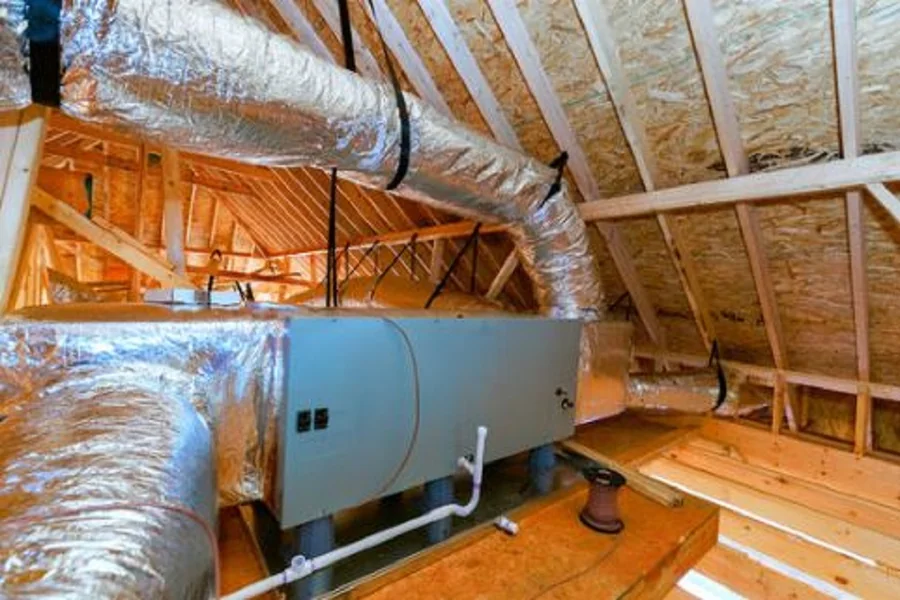
Even an efficient AC unit may not perform as expected if the installation falls short. Professional installation from companies like BJ Heating & Cooling can help match the system to your home’s cooling needs and prepare it for efficient operation. A skilled installer can connect the equipment correctly and make sure it works well with the home’s existing cooling system. Proper placement and setup can also help maintain steady airflow and consistent indoor temperatures.
Following the manufacturer’s installation requirements helps the system operate as intended and reduces unnecessary strain on the equipment. An experienced installer can also spot potential issues during setup that could affect efficiency later. Starting with a careful installation gives your AC system a stronger foundation for reliable cooling and responsible energy use.
Final Thoughts
An energy-efficient AC system starts with the right equipment but does not end there. Proper sizing, insulation, smart temperature control, and correct installation can all contribute to better performance. Homeowners can also reduce energy waste by paying attention to airflow and addressing areas where conditioned air may escape. These improvements can work together to make indoor temperatures more consistent and reduce unnecessary strain on cooling equipment.
Taking care of efficiency concerns early may also help support the long-term performance of the system. With the right combination of equipment and home improvements, comfortable cooling can be achieved with more efficient energy use.