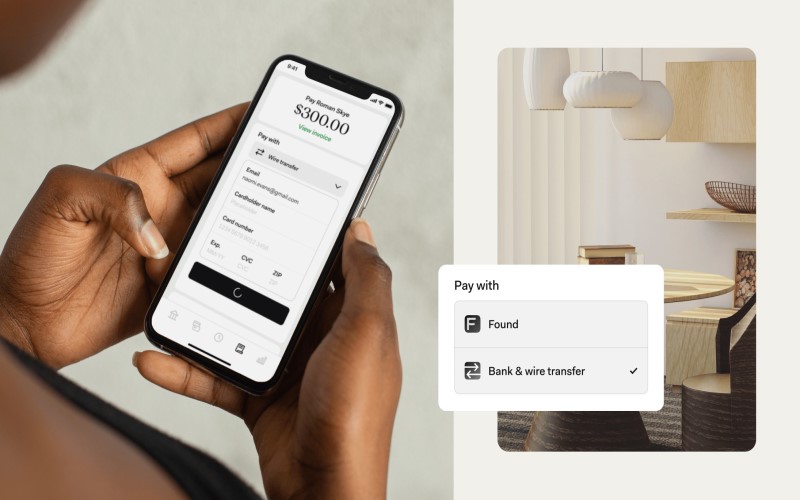
Freelancing has opened up opportunities for professionals worldwide, allowing them to work with clients across different countries and earn in multiple currencies. However, efficiently managing international payments remains a key challenge. Choosing the right payment platform ensures fast, secure, and cost-effective transactions while minimizing currency conversion losses and withdrawal delays. Optimizing global payment methods can help freelancers maximize earnings, improve cash flow, and avoid excessive fees.
Understanding the Importance of Global Payment Optimization
Receiving payments from international clients involves various factors, including exchange rates, transaction fees, and transfer speeds. Freelancers who optimize their payment methods can:
- Reduce costs associated with bank fees and currency conversion.
- Ensure faster access to funds without long processing delays.
- Enhance financial security with reliable payment providers.
- Offer multiple payment options to clients for convenience.
By selecting the right platforms and payment strategies, freelancers can increase profitability while streamlining financial management. This makes payment systems for freelancers a crucial aspect of sustainable success in the gig economy.
Best Global Payment Methods for Freelancers
Freelancers need payment methods that offer low fees, fast transfers, and global accessibility. Below are some of the most effective options:
1. PayPal
PayPal is one of the most widely used online payment systems for freelancers. It allows easy invoicing, international payments, and quick transfers to bank accounts.
Pros:
- Available in over 200 countries
- Supports multiple currencies
- Buyer and seller protection for dispute resolution
Cons:
- High transaction and withdrawal fees
- Currency conversion charges can be costly
2. Wise (formerly TransferWise)
Wise is a preferred choice for freelancers looking for cost-effective international payments with real exchange rates.
Pros:
- Low fees with real mid-market exchange rates
- Supports bank transfers in multiple currencies
- Transparent pricing with no hidden charges
Cons:
- No direct integration with freelance platforms
- Slightly longer processing times for bank transfers
3. Payoneer
Payoneer is ideal for freelancers who work with international clients, marketplaces, and affiliate programs.
Pros:
- Free Payoneer-to-Payoneer transfers
- Virtual bank accounts in USD, EUR, GBP, and other currencies
- Works with freelance platforms like Upwork and Fiverr
Cons:
- Annual maintenance fees apply
- ATM withdrawal fees can be high
4. Stripe
Stripe offers payment processing solutions that freelancers can integrate into their websites for invoicing and recurring payments.
Pros:
- Supports credit card payments from international clients
- Allows subscription-based payments
- Competitive transaction fees
Cons:
- Requires website integration
- Not available in all countries
5. Cryptocurrencies (Bitcoin, Ethereum, USDT)
Some freelancers accept payments in cryptocurrencies to avoid banking restrictions and fees.
Pros:
- No bank involvement, allowing faster cross-border transactions
- Lower fees compared to traditional payment methods
- Provides an alternative for freelancers in countries with limited banking access
Cons:
- Price volatility can affect earnings
- Requires knowledge of cryptocurrency wallets and exchanges
Strategies to Optimize Earnings with Global Payment Methods
To maximize earnings, freelancers must minimize fees, ensure quick access to funds, and use efficient invoicing systems.
1. Choose the Right Payment Platform Based on Clients’ Location
Different payment systems work better in different regions. For instance:
- PayPal is widely used in North America and Europe.
- Payoneer is popular among freelancers in Asia and the Middle East.
- Wise is ideal for receiving direct bank transfers with minimal conversion losses.
By selecting the right platform for each client, freelancers can reduce transaction costs and avoid unnecessary conversion fees.
2. Set Up Multi-Currency Accounts
Having multiple currency accounts allows freelancers to receive payments in the client’s currency and withdraw at the best exchange rates. Platforms like Wise and Payoneer provide virtual accounts in various currencies, reducing conversion losses.
3. Minimize Withdrawal and Conversion Fees
Freelancers should:
- Withdraw funds in bulk rather than making multiple small withdrawals
- Choose payment providers with the lowest conversion fees
- Use services like Wise that offer real exchange rates instead of inflated conversion fees
4. Offer Multiple Payment Options to Clients
Providing flexibility in payment options increases the likelihood of faster payments. Freelancers can offer:
- Bank transfers for large transactions
- PayPal for convenience
- Stripe for credit card payments
- Cryptocurrency for international clients who prefer decentralized payments
5. Automate Invoicing and Payment Reminders
Using invoicing tools reduces delays in receiving payments. Popular invoicing tools include:
- FreshBooks – Generates professional invoices with automatic payment reminders
- Zoho Invoice – Offers multiple payment gateway integrations
- Wave – A free invoicing tool with payment tracking
Automating invoices ensures timely payments and reduces follow-up efforts.
6. Avoid Common Payment Scams and Fraud
Freelancers working with international clients should:
- Avoid clients who refuse to use secure payment platforms
- Use escrow services for large projects to ensure secure payments
- Never share personal banking details with unknown clients
Payment security is critical to preventing chargebacks and unauthorized transactions.
7. Use Recurring Payments for Long-Term Clients
For ongoing projects, freelancers can set up recurring billing using Stripe, PayPal Subscriptions, or invoicing software. This reduces payment delays and ensures steady income.
Tax and Legal Considerations for Freelancers Receiving International Payments
Freelancers must ensure they comply with tax regulations when receiving international payments.
1. Keep Track of International Transactions
Maintaining detailed records of income, transaction fees, and exchange rates helps in tax filing and financial planning.
2. Report Income for Tax Purposes
Freelancers should check local tax laws regarding foreign income and ensure they:
- Declare earnings from international clients
- Deduct payment processing fees as business expenses
- Maintain invoices and payment receipts for tax audits
3. Choose Tax-Friendly Payment Methods
Some payment providers offer tax reporting tools that simplify filing. PayPal, for instance, provides annual tax reports for freelancers.
4. Consider Opening a Business Bank Account
Separating freelance income from personal finances makes tracking earnings and expenses easier. A business bank account also adds professionalism when dealing with clients.
Future Trends in Global Payments for Freelancers
The freelance payment landscape is evolving with new technologies and regulations.
1. Instant Payouts and Real-Time Payments
Payment providers are introducing instant payout features, allowing freelancers to access funds within minutes instead of days.
2. Decentralized Payment Solutions
Cryptocurrency and blockchain-based payment systems are becoming more popular, especially in regions with banking restrictions.
3. AI-Powered Financial Tools
AI-based financial planning tools help freelancers optimize earnings by tracking currency fluctuations and suggesting the best withdrawal times.
4. Embedded Finance in Freelance Platforms
More freelancing marketplaces are integrating financial services, allowing freelancers to manage invoices, taxes, and transactions within the platform.
Conclusion
Freelancers can optimize their earnings by selecting the right payment systems, minimizing transaction fees, and ensuring smooth invoicing processes. Setting up multi-currency accounts, automating payments, and securing transactions improve financial efficiency and reduce delays. As global payment methods continue to evolve, freelancers must stay updated on new solutions to maximize earnings and streamline financial management.