Dysphagia refers to difficulty swallowing. It can make eating challenging and sometimes uncomfortable. Many people experience dysphagia after a stroke, due to neurological conditions, or as a result of treatment for head and neck cancers. Eating becomes a task that requires careful consideration. The right food choices can make mealtimes more enjoyable and ensure proper nutrition.
The Importance of Texture
Texture is key when planning meals for someone with swallowing difficulties. Foods that are too hard, crunchy, or have mixed textures can pose challenges. Smooth, soft, and moist foods typically work best. Think of mashed potatoes rather than french fries. Or applesauce instead of raw apple slices. The goal is consistency without surprises that might trigger coughing or choking. Temperature also plays a role in swallowing safety—lukewarm foods are often easier to manage than very hot or cold items. Additionally, foods with “slippery” textures like puddings or custards can slide down more easily than dry or crumbly options. Each person’s tolerance for different textures varies, so keeping a food diary to track successful meals can help identify patterns of what works best. Experimenting with different preparation methods, like steaming vegetables until very soft instead of boiling them, might make familiar foods accessible again. For ideas on recipes, check out the cookbook from SimplyThick.
Pureed Options for Severe Dysphagia
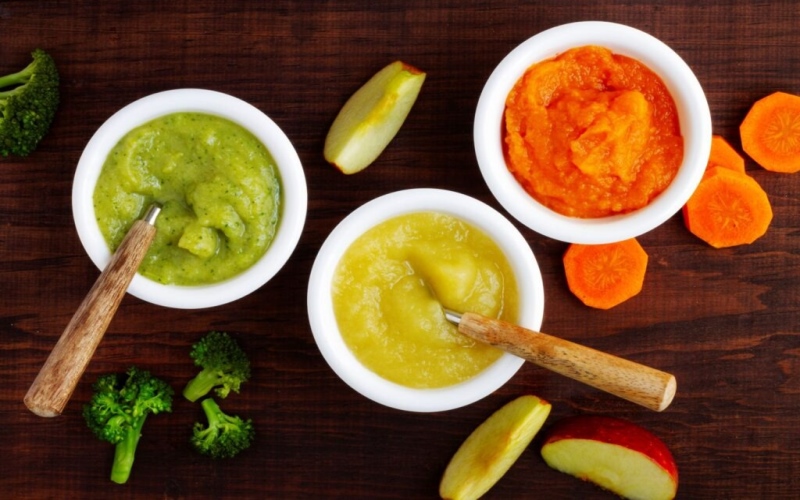
For those with more severe swallowing difficulties, pureed foods offer a safe alternative. Modern food preparation techniques can create pureed meals that maintain flavor while eliminating texture concerns.
Some excellent pureed options include:
- Smooth yogurt without fruit chunks
- Well-blended soups strained to remove any lumps
- Pureed meats mixed with gravy for moisture
- Mashed banana or avocado
Pureed foods should hold their shape on a spoon. If it is too runny, it might be difficult to control in the mouth.
Soft Foods for Moderate Dysphagia
If pureed foods aren’t necessary, many soft options work well. These foods require minimal chewing yet provide satisfying texture.
Scrambled eggs make an excellent breakfast choice. They’re protein-rich and naturally soft. Cooked cereals like oatmeal provide good nutrition in an easy-to-swallow form. Fish is often easier to manage than other meats due to its flaky texture. Pasta cooked slightly beyond al dente offers familiar comfort without a challenging texture.
Thickening Liquids
Sometimes, liquids pose the greatest challenge. They move quickly in the mouth and can be harder to control than solid foods. Thickening agents can help. These powder or gel products add body to beverages without significantly altering taste.
Different thickening consistencies work for different severity levels. Your speech therapist can recommend the right thickness for your needs. Water, tea, coffee, and juice can all be modified to make swallowing safer.
Foods to Avoid
Certain foods typically cause problems and should be avoided. Sticky foods like peanut butter can adhere to the roof of the mouth. Try thinning with honey or jelly if you enjoy these foods. Foods with mixed textures, like soup with large chunks, present unpredictable swallowing challenges. Hard, crunchy items like nuts, raw vegetables, and chips require complex chewing that may be difficult to manage.
Working with Professionals
A speech-language pathologist can provide personalized recommendations based on your specific needs. Registered dietitians help ensure nutritional needs are met despite dietary restrictions. Regular reassessment is important as swallowing ability may improve with therapy or change over time.
Remember that dysphagia-friendly eating is highly individual. What works for one person may not work for another. Through careful food selection and preparation, mealtimes can remain both safe and pleasurable.