Early childhood is a formative stage in a child’s life, as the experiences gained during these years influence future learning, behavior, and social development. Choosing the right educational environment is an important decision for parents who want to prepare their children for the years ahead.
Private kindergarten offers a structured setting where young learners develop essential skills and build confidence through age-appropriate activities. With thoughtful instruction and individualized attention, children receive opportunities to grow at a pace suited to their developmental needs.
In this blog post, we’ll explore how private kindergarten supports early childhood development. Read on!
Encouraging Early Academic Growth
Private kindergarten, such as Scottsdale Child Care and Learning Center, introduces children to foundational academic concepts through engaging, hands-on learning experiences. Lessons often cover early literacy, basic mathematics, language development, and problem-solving skills, allowing children to become familiar with essential concepts before entering elementary school. Teachers use educational games and interactive exercises to keep learning enjoyable and accessible.
This approach encourages curiosity rather than relying solely on memorization. Children begin recognizing letters, understanding numbers, and expressing their thoughts more clearly. Early exposure to these concepts also builds familiarity with classroom routines, preparing young learners for the academic expectations of formal schooling.
Strengthening Social Interaction
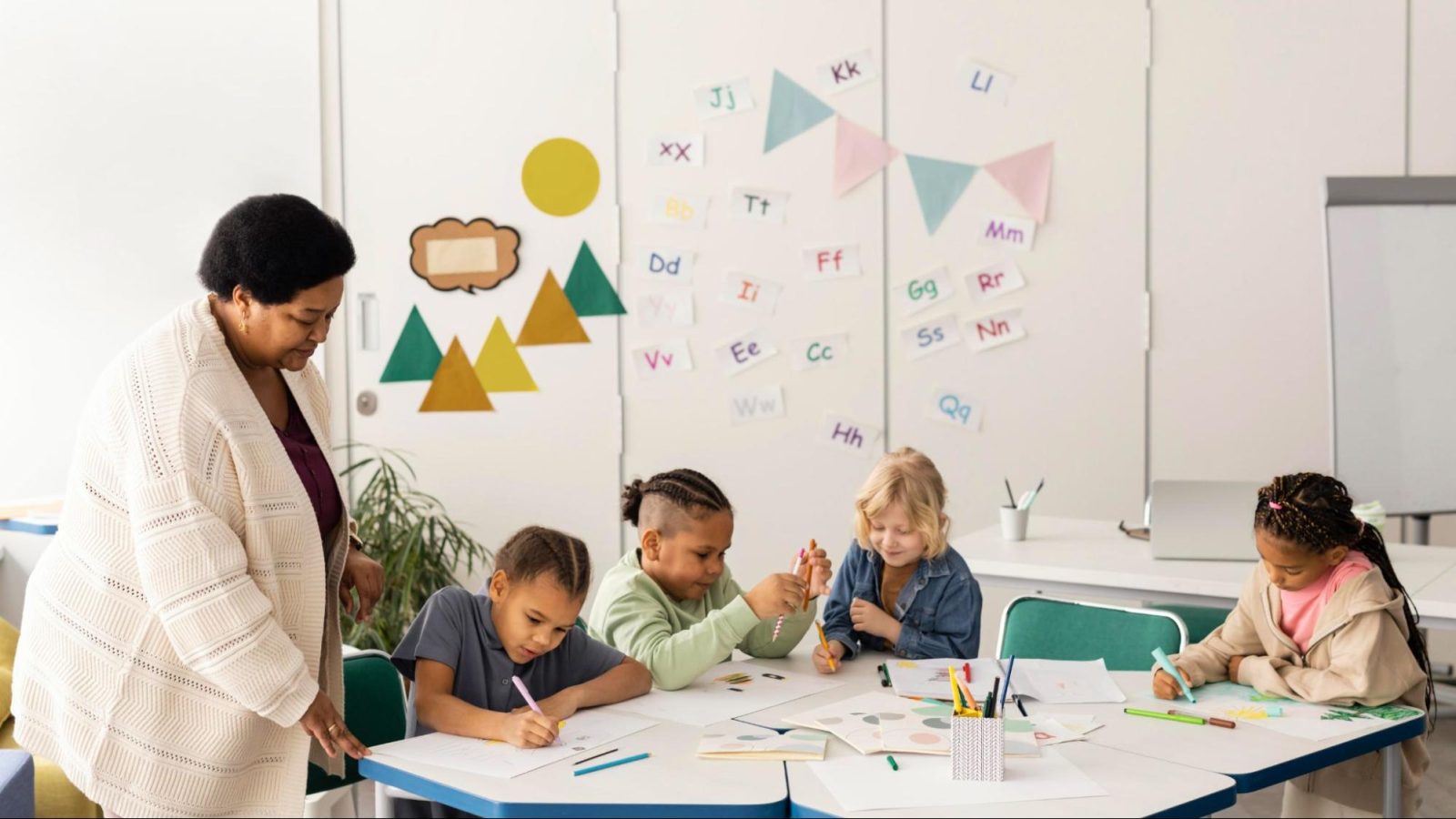
Learning alongside other children provides valuable opportunities to develop social awareness. In a private kindergarten classroom, children participate in group activities that encourage cooperation and respectful communication. These everyday experiences introduce them to the importance of listening to others and considering different perspectives.
Teachers also guide children through common social challenges, such as sharing materials or resolving disagreements. With consistent guidance, young learners begin understanding appropriate ways to express their feelings and interact with their peers. These experiences establish a foundation for building positive relationships as they progress through school.
Developing Emotional Confidence
Emotional development is another important aspect of early childhood education. Starting school introduces children to unfamiliar surroundings and responsibilities beyond the home. A welcoming kindergarten environment provides reassurance as they adjust to these changes.
Private kindergarten teachers often observe individual learning needs and offer encouragement suited to each child’s progress. When children receive recognition for their efforts, they develop a stronger sense of achievement. Gradually, they become more comfortable attempting unfamiliar tasks and recovering from minor setbacks. These experiences support resilience and prepare children to approach future challenges with confidence.
Promoting Creative Thinking
Young children learn about the world through exploration and experimentation. Private kindergarten programs often incorporate art projects, imaginative play, music, and storytelling to encourage creative expression. These activities invite children to share ideas, explore possibilities, and approach simple problems from different perspectives.
Creative experiences also introduce opportunities for independent decision-making. A child might choose materials for an artwork or invent a story during pretend play. Such activities encourage original thinking and allow children to communicate their interests in different ways. By providing room for exploration, kindergarten nurtures curiosity that supports continued learning.
Preparing Children for School Readiness
School readiness involves more than knowing letters and numbers. Children also benefit from learning to follow instructions and manage simple responsibilities. Private kindergarten introduces these expectations through predictable routines and supportive classroom guidance.
Teachers encourage children to organize their belongings, complete simple activities, and transition between lessons. These habits promote independence and familiarity with structured learning. Parents also gain opportunities to communicate with educators about their child’s progress and developmental needs.
Private kindergarten supports early childhood development by providing an environment where children build foundational knowledge, strengthen social skills, and develop confidence. Through guided learning and meaningful play, young learners gain experiences that prepare them for future academic and personal growth. For parents evaluating early education options, choosing a kindergarten that values individual development and encourages a positive attitude toward learning is an important step toward a successful educational journey.