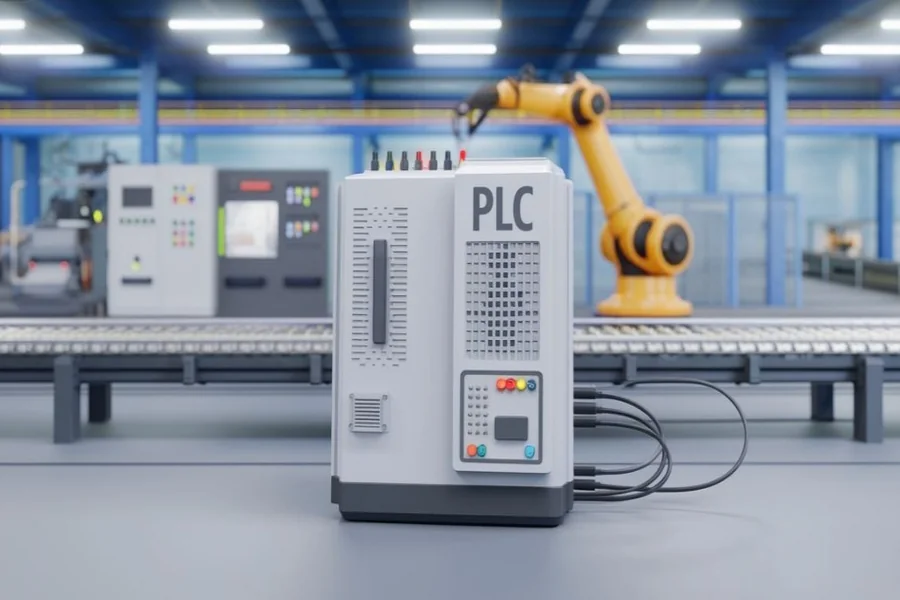
In any industrial operation, control is everything. From ensuring machinery operates efficiently to monitoring processes in real-time, industrial PLC systems are key to seamless and reliable performance. These systems, often seen as the brain behind automated processes, enable businesses to control, manage, and optimise their equipment with precision.
By offering flexibility, improving productivity, and reducing downtime, industrial PLC systems have become an integral part of the modern industrial landscape. This blog will explore how industrial PLC systems are helpful in driving success and why they are crucial for businesses.
What Are Industrial PLC Systems?
Industrial PLC systems are digital computers designed for automating industrial processes. Originally developed to replace relay-based control systems, PLC systems are now used for controlling manufacturing lines, machinery, or any process that requires high reliability, automation, and ease of programming.
These systems can handle inputs from various sensors and send outputs to control devices, enabling smooth operation in industries such as automotive, food processing, oil and gas, and more.
How Do Industrial PLC Systems Work?
At the heart of industrial PLC systems is a central processor that executes pre-programmed instructions to control various processes. Here’s how they work:
- Input Processing: PLC systems take inputs from devices like sensors, switches, and detectors that monitor parameters such as temperature, pressure, and speed.
- Data Processing: The processor evaluates this input data, compares it to preset conditions, and makes decisions based on the programmed instructions.
- Output Control: Based on the processed information, the PLC system sends commands to actuators, valves, motors, or other devices to perform specific actions, such as turning machinery on or off or adjusting speeds.
Benefits of Industrial PLC Systems
The benefits of implementing industrial PLC systems in industrial operations are significant, contributing to efficiency, safety, and overall business success:
- Increased Efficiency: Industrial PLC systems automate routine tasks, reducing the necessity for manual intervention and ensuring continuous operation, which results in higher productivity and fewer errors.
- Improved Precision and Control: These systems provide greater accuracy in controlling processes. The ability to monitor and adjust operations allows industries to maintain precise control over production, improving product quality.
- Reduced Downtime: With real-time monitoring capabilities, PLC systems can detect faults or inefficiencies in the system and alert operators, enabling proactive maintenance before issues escalate into costly downtime.
- Flexibility and Scalability: Industrial PLC systems can be easily reprogrammed to meet changing production needs, making them a flexible solution for industries with evolving requirements. Their scalability ensures they can grow alongside your operations.
Applications of Industrial PLC Systems
Industrial PLC systems are used in a wide range of applications, making them indispensable in many industries:
- Manufacturing: From controlling conveyor belts to managing assembly lines, PLC systems are used extensively in manufacturing to optimise operations and improve throughput.
- Water Treatment: PLC systems monitor and control water treatment processes, ensuring that pumps, valves, and chemical treatments are running efficiently, which helps maintain water quality and system performance.
- Energy Management: In power plants and energy distribution systems, PLC systems help monitor energy consumption and optimise processes to ensure efficient power generation and distribution.
- Automated Warehouses: In logistics and distribution, PLC systems control robotic systems, conveyors, and other machinery to improve storage management and order fulfillment.
Key Features of Modern Industrial PLC Systems
Modern industrial PLC systems come with a host of advanced features that make them more powerful and easier to integrate into modern industrial environments:
- Remote Monitoring and Control: Many PLC systems now offer remote connectivity, helping operators monitor and control equipment from anywhere, improving flexibility and response times.
- Integration with IoT: Integration with the Internet of Things (IoT) allows industrial PLC systems to collect data from diverse sensors and connected devices. This data can be analysed for better decision-making and predictive maintenance.
- Advanced User Interfaces: Modern PLC systems feature user-friendly interfaces that help operators to interact with the system easily, monitor real-time data, and quickly respond to any issues that arise.
- Data Logging and Analytics: With the ability to collect and store historical data, PLC systems offer valuable insights into system performance, enabling continuous improvement and optimisation.
Overcoming Challenges with Industrial PLC Systems
Despite the many benefits, there are challenges to implementing and maintaining industrial PLC systems:
- Initial Investment: While implementing a PLC system may seem costly upfront—particularly for small businesses—it can be rolled out in phases to help manage expenses. This approach reduces the immediate financial burden, while still allowing businesses to benefit over time from increased efficiency and reduced downtime, ultimately justifying the investment.
- Complexity of Programming: Programming industrial PLC systems can be complex, especially for more advanced systems. Proper training is required for operators and technicians to ensure effective implementation and use.
- Cybersecurity Risks: As PLC systems become more interconnected and integrated with IoT, there is an increased risk of cyber threats. Securing these systems from cyberattacks is crucial to ensure the safety and integrity of operations.
Partnering for Future Success with Industrial PLC Systems
Industrial PLC systems are at the heart of modern automation, playing a vital role in improving efficiency, safety, and reliability across industries. From controlling production lines to enabling smart factories, PLC systems help businesses stay competitive in an ever-evolving market.
Partnering with trusted suppliers of industrial PLC systems ensures that your business has access to the latest technology, professional support, and expertise. With the right system in place, businesses can optimise their processes, reduce downtime, and position themselves for long-term success.